

Crohn’s disease and ulcerative colitis are both types of inflammatory bowel disease, often called IBD. Both conditions happen when the immune system reacts abnormally and causes long-term inflammation in the digestive tract.
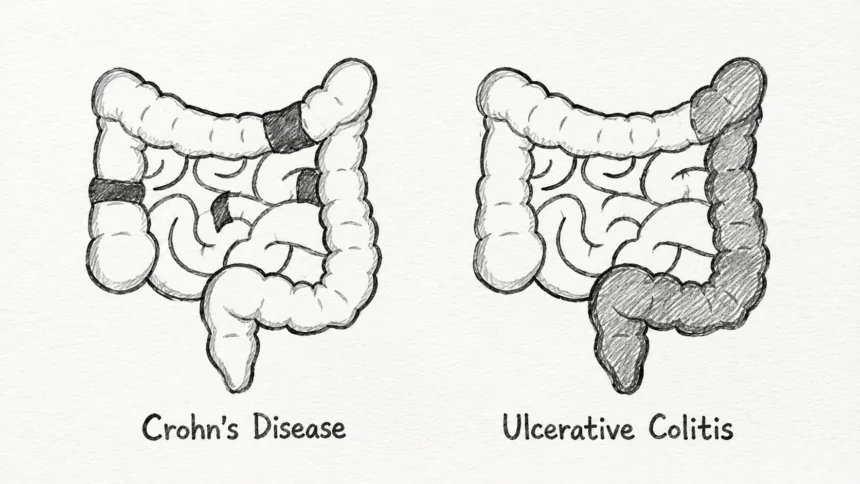
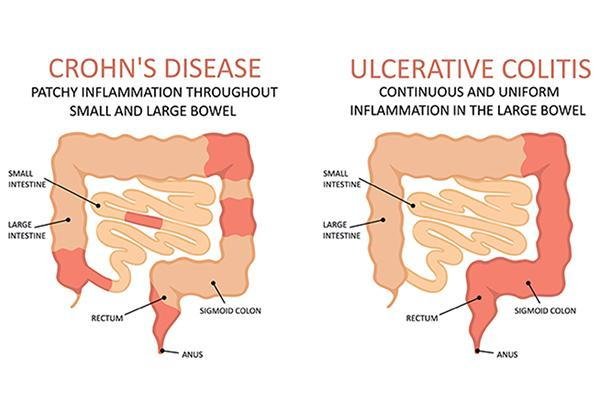
The main difference is where the inflammation occurs. Ulcerative colitis affects only the colon and rectum, while Crohn’s disease can affect any part of the digestive tract, from the mouth to the anus.
Both conditions may require long-term treatment with medicines. In some cases, surgery may also be needed. Surgery is usually more common in Crohn’s disease, but it can also be necessary for ulcerative colitis when symptoms are severe or complications develop.
Crohn’s disease can also cause problems beyond the intestines. These may include issues involving the skin, eyes, joints, liver, and nutrition.
Understanding Inflammatory Bowel Disease
Inflammatory bowel disease is a term used for long-term conditions that cause inflammation in the digestive tract. The two main types of IBD are Crohn’s disease and ulcerative colitis.
Many people confuse IBD, Crohn’s disease, and ulcerative colitis. The simple way to understand it is this: IBD is the main category, while Crohn’s disease and ulcerative colitis are two conditions that fall under it.
In IBD, the immune system mistakenly attacks parts of the digestive tract. This causes ongoing inflammation, which can lead to symptoms such as diarrhea, stomach pain, tiredness, blood in the stool, and weight loss.
IBD is usually a lifelong condition. Many people have periods when symptoms improve or disappear. This is called remission. They may also have periods when symptoms return or become worse. These are called flare-ups.
There is currently no complete cure for IBD, but treatment can help control inflammation, reduce symptoms, support healing, and lower the risk of complications. With the right care, many people with Crohn’s disease or ulcerative colitis can live active and healthy lives.
Inflammatory Bowel Disease vs. Irritable Bowel Syndrome
Inflammatory bowel disease should not be confused with irritable bowel syndrome, also called IBS. Although some symptoms can look similar, these conditions are very different.
IBD causes inflammation and visible damage in the digestive tract. Doctors can often see this inflammation during tests such as colonoscopy or imaging scans.
IBS does not cause inflammation, ulcers, or permanent damage to the intestines. It is a functional digestive disorder, which means the bowel does not work as smoothly as it should, but the structure of the intestine usually looks normal.
This difference matters because IBD usually needs medical monitoring and anti-inflammatory treatment, while IBS is often managed through diet, stress control, lifestyle changes, and symptom-based care.
Quick Comparison: Crohn’s Disease vs. Ulcerative Colitis
| Feature | Crohn’s Disease | Ulcerative Colitis |
|---|---|---|
| Main area affected | Can affect any part of the digestive tract | Affects only the colon and rectum |
| Pattern of inflammation | May appear in patches | Usually continuous |
| Depth of inflammation | Can affect deeper layers of the bowel wall | Usually affects the inner lining of the colon |
| Common symptoms | Diarrhea, pain, weight loss, fatigue, fistulas | Bloody diarrhea, urgency, pain, fatigue |
| Complications | Strictures, fistulas, abscesses, malnutrition | Severe bleeding, colon damage, toxic megacolon, colon cancer risk |
| Surgery | May help symptoms but does not cure the disease | Removal of the colon may remove the main diseased area |
Understanding Crohn’s Disease: Symptoms, Complications, and Treatment
Crohn’s disease is a long-term inflammatory condition that can affect any part of the gastrointestinal tract. This includes the mouth, esophagus, stomach, small intestine, colon, rectum, and anus.
However, Crohn’s most commonly affects the end of the small intestine and the beginning of the colon. Unlike ulcerative colitis, Crohn’s inflammation can appear in separate patches, with healthy areas between inflamed sections.
Crohn’s can also affect deeper layers of the bowel wall. Because of this, it may lead to complications such as narrowing of the intestine, fistulas, abscesses, and nutritional problems.
Symptoms
Symptoms of Crohn’s disease can vary from person to person. They may also change depending on which part of the digestive tract is affected.
Common symptoms may include:
- Frequent diarrhea
- Abdominal pain or cramping
- Fatigue
- Fever during flare-ups
- Blood in the stool
- Loss of appetite
- Weight loss
- Malnutrition
- Occasional constipation
- Joint pain
- Skin problems
- Eye irritation
- Fistulas
Some people with Crohn’s disease feel worse after eating. This may lead them to avoid food, which can cause weight loss and nutritional deficiencies over time.
Crohn’s disease is not limited to the digestive tract. It may also cause inflammation in other parts of the body, including the skin, eyes, joints, and liver.
Crohn’s and Ulcerative Colitis Complications
Crohn’s disease can lead to several complications, especially if inflammation stays active for a long time.
One common problem is narrowing of the intestine, also called a stricture. This can happen when inflammation causes swelling and scar tissue. A stricture may make it difficult for food and stool to pass normally through the intestine.
Crohn’s disease can also cause ulcers. In some cases, these ulcers may deepen and create abnormal tunnels between the intestine and nearby organs or skin. These tunnels are called fistulas.
Other possible complications include:
- Abscesses
- Bowel blockage
- Malnutrition
- Anemia
- Bone weakness
- Skin and eye inflammation
- Joint problems
- Increased colon cancer risk if the colon is affected
The risk of colon cancer is higher when Crohn’s disease affects a large part of the colon for many years. Regular checkups and screening tests may be recommended by a doctor.
Crohn’s and Ulcerative Colitis Treatment
Treatment for Crohn’s disease depends on the severity of symptoms, the area affected, and whether complications are present.
The main goal of treatment is to reduce inflammation, control symptoms, heal the bowel lining, and help the person reach remission.
Doctors may recommend medicines such as:
- Corticosteroids for short-term flare control
- Immunomodulators to calm the immune response
- Biologic medicines that target specific parts of the immune system
- Antibiotics when infections, abscesses, or fistulas are present
- Other anti-inflammatory or advanced therapies depending on the case
Lifestyle support may also help. This can include eating a balanced diet, avoiding trigger foods during flare-ups, staying hydrated, stopping smoking, and managing stress.
Some people with Crohn’s disease may need surgery. Surgery may remove a damaged section of the intestine, treat a blockage, drain an abscess, or repair a fistula. However, surgery does not cure Crohn’s disease because inflammation can return in another part of the digestive tract.
Ulcerative Colitis: Symptoms, Complications, and Treatment
Ulcerative colitis is another major type of inflammatory bowel disease. Unlike Crohn’s disease, ulcerative colitis affects only the colon and rectum.
The inflammation usually starts in the rectum and may spread upward through the colon. It also tends to be continuous, meaning there are usually no healthy gaps between inflamed areas.
Ulcerative colitis mainly affects the inner lining of the colon. This lining can become swollen, irritated, and covered with small ulcers, which may lead to bleeding and mucus in the stool.
Symptoms
Symptoms of ulcerative colitis can range from mild to severe. They may depend on how much of the colon is inflamed.
Common symptoms may include:
- Abdominal pain or cramping
- Loose stools
- Bloody stool
- Urgent need to have a bowel movement
- Diarrhea
- Fatigue
- Loss of appetite
- Weight loss
- Malnutrition
- Rectal pain or discomfort
Bowel urgency is one of the most common and stressful symptoms of ulcerative colitis. Some people may feel they need to reach a bathroom quickly, even if little stool comes out.
Symptoms may come and go. During remission, a person may feel well for weeks, months, or longer. During flare-ups, symptoms may return and affect daily life.
Types of Ulcerative Colitis
Ulcerative colitis is often described based on the part of the colon affected.
Ulcerative proctitis: This is usually the mildest form. It affects only the rectum.
Left-sided colitis: This affects the rectum, sigmoid colon, and sometimes the descending colon.
Extensive colitis: This affects most or all of the colon. It may cause more severe symptoms and a higher risk of complications.
Complications
Ulcerative colitis can cause serious complications if inflammation is severe or not well controlled.
Possible complications include:
- Heavy bleeding
- Anemia
- Severe dehydration
- Perforation, or a hole in the colon
- Toxic megacolon
- Osteoporosis
- Liver and bile duct problems
- Increased risk of colon cancer
The risk of colon cancer can increase when ulcerative colitis affects much of the colon for many years. Doctors may recommend regular colonoscopy screening to look for early changes.
Treatment
Treatment for ulcerative colitis focuses on reducing colon inflammation, controlling symptoms, and helping the person stay in remission.
Doctors may recommend medicines such as:
- Aminosalicylates for mild to moderate inflammation
- Corticosteroids for short-term flare control
- Immunomodulators
- Biologic medicines
- Targeted small-molecule medicines
- Other treatments depending on severity and response
Some people may also need dietary changes during flare-ups. A doctor or dietitian may suggest soft foods, smaller meals, hydration support, or avoiding foods that worsen symptoms.
Surgery is less common in ulcerative colitis than in Crohn’s disease, but it may be needed when medicines do not work, symptoms are severe, or serious complications develop.
Surgery for ulcerative colitis usually involves removing the colon and rectum. In some cases, surgeons create an internal pouch from the small intestine so stool can still pass through the anus. In other cases, an ileostomy may be needed.
Because ulcerative colitis is limited to the colon and rectum, removing these areas can remove the main source of disease. However, surgery is still a major decision and is usually considered only when other treatments are not enough.
How Do Doctors Diagnose Crohn’s vs. Ulcerative Colitis?
Crohn’s disease and ulcerative colitis can cause similar symptoms, so doctors usually need tests to tell them apart.
A doctor may begin by asking about symptoms, medical history, family history, medicines, diet, smoking, and overall health. They may also do a physical exam to check for pain, swelling, fever, weight loss, or signs of anemia.
Common tests may include:
- Blood tests
- Stool tests
- Colonoscopy
- Flexible sigmoidoscopy
- Biopsy
- CT scan
- MRI scan
- Capsule endoscopy in some cases
A colonoscopy is one of the most important tests because it allows the doctor to see the inside of the colon and take tissue samples. These samples can show the type and depth of inflammation.
In ulcerative colitis, inflammation usually appears continuous and limited to the colon and rectum. In Crohn’s disease, inflammation may appear in patches and may affect deeper layers of the bowel wall.
Sometimes, it can take time to clearly diagnose the exact type of IBD. Some people may first receive a diagnosis of indeterminate colitis when features of both conditions are present.
Getting the right diagnosis is important because treatment choices, surgery planning, and long-term monitoring may differ between Crohn’s disease and ulcerative colitis.
Takeaway
Crohn’s disease and ulcerative colitis are both forms of inflammatory bowel disease, but they are not the same condition.
Crohn’s disease can affect any part of the digestive tract and may involve deeper layers of the bowel wall. It can also lead to complications such as fistulas, strictures, and nutritional problems.
Ulcerative colitis affects only the colon and rectum. Its inflammation usually starts in the rectum and spreads continuously through the colon. It commonly causes bloody diarrhea, urgency, and abdominal discomfort.
Both conditions can affect quality of life, but modern treatment can help many people control symptoms and reach remission. Medicines, lifestyle support, regular monitoring, and sometimes surgery may all play a role.
Anyone with ongoing diarrhea, blood in the stool, unexplained weight loss, severe abdominal pain, or repeated digestive symptoms should speak with a healthcare professional. Early diagnosis and proper treatment can help reduce complications and improve long-term health.
Medical Disclaimer
This article is for general information only. It should not replace medical advice, diagnosis, or treatment from a qualified healthcare professional. Anyone with symptoms of Crohn’s disease, ulcerative colitis, or another digestive condition should speak with a doctor or gastroenterologist.